


In today's fishing industry, success isn't just measured by wins; it's defined by who can compete, connect, and sell both on the water and online.
Updated: May 10
More than the Catch: Performance vs. Platform
For many people, fishing starts as nothing more than a relaxing hobby. It’s a way to spend time on the water and enjoy the outdoors. But over time, that passion can turn into something bigger, where anglers begin to see real career opportunities within the sport. Competitive bass fishing is a growing sport, and social media is playing a major role in shaping the industry. When it comes to marketing, brands must filter through hundreds of anglers to decide who they will sponsor with money or product. As a result, anglers are faced with a choice: pursue the high-risk, high-reward path of tournament fishing, or lean into becoming a content creator, where building a personal brand may offer more consistency. Framing it as “good angler vs. good promoter” misses what really drives the industry. It’s the balance of performance, personality, and platform that ultimately determines an angler’s value and how they turn their passion into a profession.
In today's fishing industry, the question isn't just who catches the most fish; it's who tells the best story and can sell it.
Performance vs. Influence
While strong tournament finishes build credibility and can grow an audience, they don't guarantee product sales. Anglers today are, in many ways, influencers. When they consistently create content, they increase visibility, even without winning. This leads brands to ask a key question, “Who moves product, not just who wins trophies?”
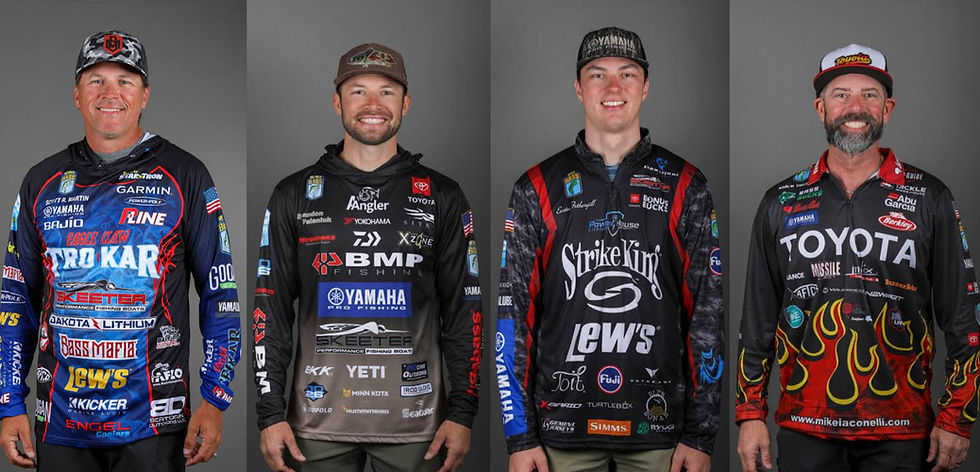
Moments on the water now carry entertainment values as much as competitive importance. During Championship Sunday of the 2025 Bassmaster Classic, Easton Fothergill, known as a calm and collected young angler, surprised fans by openly celebrating his final catch to fill out his limit. Fothergill went on to win the 2025 Bassmaster Classic.
On the opposite end of the spectrum, veteran angler Mike Iaconelli has built a reputation on high-energy, emotional reactions that have become a part of his brand.
As Bassmaster emcee Dave Mercer explained on The Awkwardly Honest Fishing Podcast, “I watched Iaconelli catch a 2 ½ pounder and you would have thought it was an 8 pounder... you got to give something to the fans because that’s what they tune in for.”
That contrast highlights a bigger shift in the sport. Bassmaster videographer Jake Latendresse put it, “At the end of the day, this is all about entertainment... you've got to be an entertainer to win in this industry.”
For example, an angler with a loyal and engaged audience may outperform a tournament winner with little to no online presence. Scott Martin is a great example. Martin built a strong digital presence while competing and remains a major voice in the fishing industry even outside of participating in a full tournament schedule.
Scholarship is an investment, and brands expect a return. They care about engagement, audience trust, and consistency. A “silent pro” is difficult to justify financially. It’s not personal, it’s business. If you don't show value, brands can't prove your worth.
Authenticity vs. Obligation
Followers can tell when promotion is forced. Anglers who naturally integrate products into their content tend to perform better and build stronger connections with their audience. Establishing a genuine relationship with a brand before pursuing a sponsorship helps create more authentic content.
This authenticity makes promotions feel less like ads and more like recommendations. In an industry built on patterns, techniques, and “secrets,” anglers who share what works create trust, and trust drives sales. It’s one reason why new product launches often sell out quickly when backed by the right voices.
On the flip side, promoting or sounding scripted can hurt both the angler and the brand. The best partnerships don't feel like advertisements; they feel like being let in on something valuable.
Fishing vs. Filming
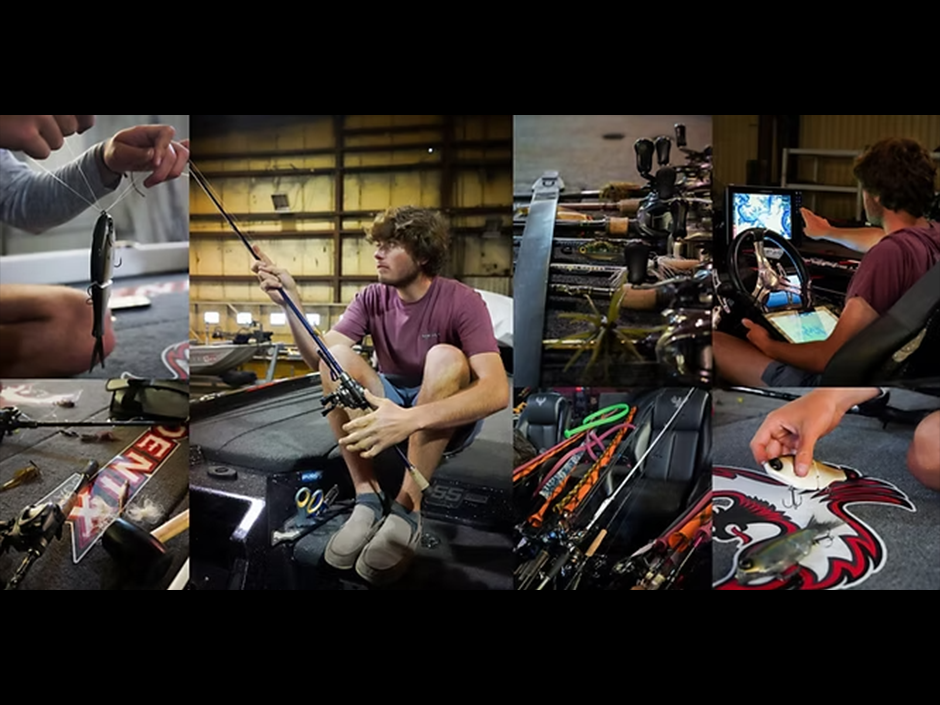
A new category has emerged in recent years: the “content angler.” Many of these individuals don't compete at a high level or at all but instead focus on creating consistent, high-quality content. Because they fish on their own schedule, they can prioritize filming, editing, and storytelling.
In many cases, these anglers generate more exposure for brands than competitive pros. Meanwhile, tournament anglers face a constant time trade-off. Filming content takes away from practice, preparation, and performance. Running cameras during long tournament days can create hours of footage, sometimes 8+ hours per day; that must later be reviewed and edited.
This challenge has led many competitive anglers to hire editors or social media managers. Still, balancing both roles is difficult. Content creators can focus entirely on audience growth, while competitors must divide their attention.
Social media has created a second path to success in fishing. The question becomes, “If you can't be elite at both, where do you invest your time?”
That reality is reinforced by conversations within the industry. On The Awkwardly Honest Fishing Podcast, Dave Mercer and pro angler Brandon Palaniuk discussed how social media has become a major factor in evaluating anglers. Mercer noted, it’s now “almost the first thing people look at on a resume.”
Palaniuk pushed back on the idea that social media alone is the goal, explaining that while it’s a necessary tool, it’s not the most efficient path to making money. In fact, he emphasized that there are far easier and less expensive ways to profit from content creation than trying to build a career through competitive bass fishing alone.
Consistency vs. Virality
Brands are looking for anglers who align with their identity. Personal values and audience demographics all matter. It's not just about how skilled you are; it's about how well you represent the brand.
One viral post doesn't equal long term value. Companies prefer consistent posting that builds ongoing engagement and steady audience growth. Reliability matters more than occasional spikes in attention.
In this space, trust is currency, Followers are more likely to buy from anglers they believe in. Transparency, honesty, and relatability often matter more than perfection. A smaller, loyal audience can be more valuable than a large but disengaged following.
The Ideal Angler
The pressure on modern anglers is higher than ever. They're expected to be athletes, marketers, and content creators all at once. This shift has redefined what it means to “make it” in the fishing industry.
The ideal angler performs well competitively, creates engaging content, and represents their sponsors authentically. It's a demanding balance, and on that few truly achieve.
That's why these anglers are so valuable. The job description has evolved beyond just catching fish, and those who can do it all have become some of the most sought-after names in the sport.

Bash Radio’da paylaşılan yazı, günümüz balıkçılık sektöründe başarının sadece turnuva sonuçlarıyla değil, sektöre erişim sağlayabilme imkânıyla da değerlendirildiğini ele alıyor. İçerikte özellikle ekipman maliyetleri, rekabet ortamı ve sektörde yer alabilmek için gereken kaynaklar gibi konular üzerinde duruluyor. Ayrıca modern balıkçılık dünyasında sürdürülebilirlik ve erişilebilirlik gibi unsurların da giderek daha fazla önem kazandığı belirtiliyor. Yazıda konuya dair genel bilgiler yer alıyor: bizbet casino. Sizce günümüzde spor ve rekabet odaklı sektörlerde en büyük zorluk maliyetler mi yoksa fırsat eşitsizliği mi?