


Beyond The Scoreboard: Shaping Men Through Coaching

Updated: Apr 9

Role of a coach
From Coach Terrence McGee’s office, you hear the steady dribble of a basketball, the buzzer’s sharp drone, and the squeak of sneakers on polished wood. His schedule stays packed, yet his office is organized, highlighted by a Michael Jordan poster looming behind his desk. Basketball, and sports more broadly, mean a great deal to many people. For some athletes, their sport is everything. With sports playing such a big role, it’s natural to consider how deeply they shape young men, teaching lessons that reach far beyond the court.

Coach McGee is coaching more than just jump shots. At Wabash Valley College, basketball isn’t just about winning games but building accountable, tough, and emotionally aware young men. Coach McGee bridges the gap between role model and coach. “I relate basketball to life.” Coach McGee knows he’s a role model to the men he coaches.
He tells the guys all the time, “My phone is always on. My door is always open.” For many young men, a coach or teacher can be the first real father figure in their lives. So, a good coach not only teaches the sport but also applies it to life, teaching real-world lessons. When a player comes to practice, and something’s off, Coach McGee says he can tell. “You don’t have to tell me something is wrong, I can see you and just watch you… We make sure to attack that right away… Just to let them know I'm here.”
Coach McGee really emphasizes vulnerability in his coaching. Vulnerability is not only tolerated but encouraged.

“We talk about vulnerability all the time. It’s okay to be vulnerable. Anybody making fun of somebody being vulnerable are in their shell themselves, so...”
Coaches who built up McGee
McGee’s coaching style was shaped over the years by teammates and past coaches. One of the most influential people in McGee’s career was his junior college coach, Coach Wags at Kirkwood Community College. As a player, McGee found their relationship challenging. The two often clashed as Wags pushed him to take responsibility for his actions. “He held me accountable and responsible for the things I did,” McGee said. He now recognizes those moments as important lessons he received as a young athlete.
Coach Wags wasn’t his only mentor, though; he had many people who inspired and encouraged him to coach. His high school coach, an assistant coach at Missouri State, and a close friend and teammate he played alongside in high school and junior college all steered him towards coaching.
Today, he chooses to coach junior college partly because of those influences. The coach who helped shape him as a player and a man coached at this level, and Coach McGee hopes to make the same impact on others.
Iron sharpens iron
Basketball demands physical strength, but McGee believes true toughness goes beyond playing through the pain. “A lot of people look at athletes as being spoiled,” McGee said. “But let’s go through their daily routine.”
College athletes have a demanding schedule. Early morning workouts, study hall, practices, film sessions, games, and that’s not even including the classes they are enrolled in. Balancing those responsibilities requires discipline and accountability. “With all that stuff, we have to be responsible….We have to be accountable.” McGee noted.
McGee also believes mental toughness is built by allowing players to face adversity and learn from it. “I put them in tough situations, but I don’t leave them there,” McGee said with conviction.
When players struggle during a game or practice, Coach McGee makes sure to check in afterward, address the issue, and see what players can improve. Rather than calling them failures, he calls them “lessons learned.” “We get back up the next day, and we work again.” That mindset prepares players not only for basketball but also for the challenges they will face throughout their lives.
A player’s perspective
For Wabash Valley player Khore Furlow, McGee’s approach has made a lasting impact. “I see Coach McGee as a brother,” Furlow explained. “We can talk to him whenever we need to.”
That openness has created an environment where players feel comfortable discussing struggles both on and off the court. “He helps us through a lot of mental stuff. If we’re feeling down or dealing with something in life, we’re able to go to him.”
Basketball itself has also become a way for players to process challenges. “When things get tough, I come here to clear my mind,” Furlow said. “Basketball helps me move on to the next thing.”
Furlow said he has also learned valuable lessons about controlling emotions during intense moments in games.
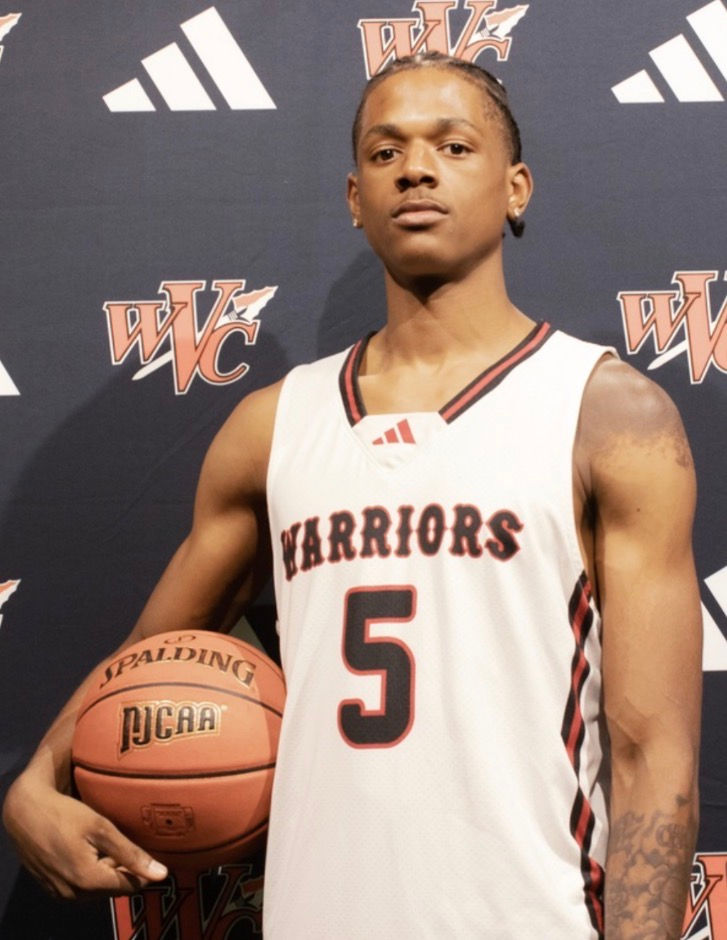
“Coach McGee doesn’t really get mad during games when things go wrong,” he said. “Seeing that rubbed off on me. I feel like I’ve learned how to be more patient.”
That patience has helped him handle frustration and adversity more effectively. “He teaches us you can’t just get mad when you’re losing,” Furlow recalled. “If you react the wrong way, it just creates more problems.”
Accountability and Brotherhood
While competition pushes players to improve on the court, McGee believes true growth comes from the culture built around the team. In his program, accountability and brotherhood go hand in hand.

“The only way we’re going to be better as a team, the only way you’re going to get better as a player…is if you push the guy next to you.”
Players challenge one another in practice, but the goal is never to tear down a teammate. Instead, the competition creates a sense of shared responsibility. When someone succeeds, it’s often because the teammate beside him pushed him to be better. “The reason you’re good is because he’s pushing you,” McGee explained. “That builds that bond of team. That builds that bond of togetherness.”
But some of the most important moments for building that bond happen away from the court. McGee intentionally creates what he calls “a home away from home” for his players. Throughout the season, the team gathers for barbecues, taco nights, and pizza dinners. They watch the Super Bowl and college basketball games together and spend time playing video games or cards.
Those moments help players relax, build trust, and see each other beyond the intensity of practice. In McGee’s program, accountability doesn’t come from fear of letting the coach down; it comes from not wanting to let your brothers down.
Lessons Beyond the Game
By the time players leave Wabash Valley, McGee hopes they take more than improved shots or defensive skills with them. The real lessons, he says, are about responsibility, accountability, and what it truly means to be a man. In today's society, masculinity is often associated with anger, ego, or the suppression of emotions; McGee teaches something different. Real strength comes from discipline, humility, and the willingness to grow.
Players are encouraged to talk through struggles, learn from mistakes, and support one another both on and off the court. McGee elaborated.

“You collect your thoughts,” McGee said. “But once you collect your thoughts, you have to talk to someone. My phone is always on. My door is always open.”
For McGee, those lessons matter more than wins or losses. Basketball may bring these young men together, but the character they build along the way is what lasts long after the final buzzer. In a culture that often defines masculinity by toughness alone, McGee’s program demonstrates that the strongest men are those who push each other to grow, take responsibility, and not fear their emotions.


Comments